
Propane is a vital part of RV life, powering appliances like stoves, refrigerators, and heaters. However, ensuring RV propane safety is just as important as enjoying its convenience. A small leak can lead to big problems, including fire hazards and health risks. That’s why using leak detectors and performing regular inspections is a must for every RVer. 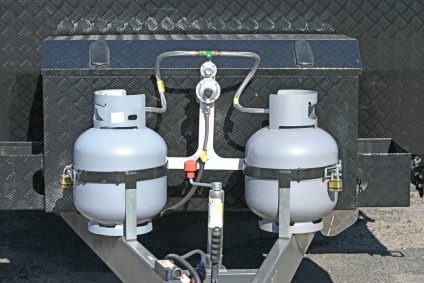
Why Propane Safety Matters
Propane is highly flammable and can be dangerous if leaks go undetected. Leaks may result from aging hoses, loose connections, or damaged fittings. Detecting and addressing leaks promptly helps prevent accidents and ensures safe travels.
Using a Propane Leak Detector
A propane leak detector is a simple, yet effective device that alerts you to gas leaks. Many RVs come equipped with built-in detectors, but portable models are also available. Ensure your detector is working properly by testing it regularly and replacing batteries as needed.
Checking Hoses for Leaks
Your RV propane hoses play a critical role in delivering gas safely. Over time, they can become stiff or brittle, increasing the risk of leaks. Here’s how to check them:
- Feel the Hose – Gently bend the hose. If it feels stiff, brittle, or cracks, it may be leaking and should be replaced.
- Inspect for Damage – Look for visible cracks, wear, or loose fittings.
- Perform a Soap and Water Test – Mix dish soap with water and apply it to connections and hoses. Open the propane valve slightly—if bubbles form, you have a leak.
What to Do If You Find a Leak
If you discover a propane leak, take these immediate steps:
- Turn Off the RV Propane Supply – Shut off the tank valve to stop gas flow.
- Ventilate the Area – Open windows and doors to disperse gas buildup.
- Fix or Replace the Damaged Component – Replace cracked hoses, tighten fittings, or seek professional help for repairs.
- Retest After Repairs – Perform another leak test to ensure everything is secure.
Final Thoughts
RV Propane safety isn’t just about convenience—it’s about protecting yourself, your loved ones, and your home on wheels. Regular inspections, leak detectors, and simple soap-and-water tests can make all the difference. Take a few minutes to check your system today, and enjoy worry-free travels! Happy Camping!